
Gilmore Girls Review
2000Amy Sherman-PalladinoTV Show
Nobody talks like this, and twenty minutes in you stop caring, because the talking is the show.
| Category | Critic | Users |
|---|---|---|
| Plot | Good | |
| Cinematography | Average | |
| Acting | Great | |
| Dialogue | Great | |
| Overall | Good |
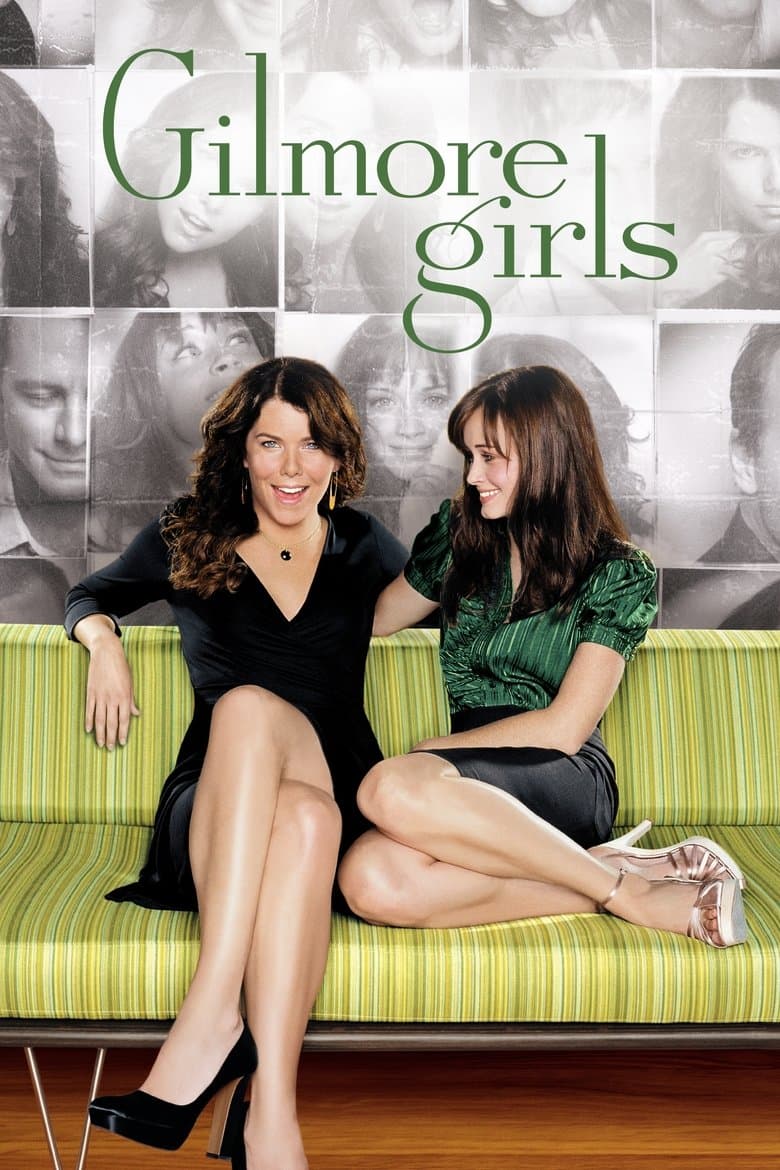
The pitch sounds like nothing: a mother, a daughter, a picturesque Connecticut town, a great deal of coffee. What Amy Sherman-Palladino delivers is a dialogue experiment, scripts running far longer than a standard hour because the characters speak at a clip that would be unplayable if Lauren Graham and Alexis Bledel had not learned to hit it. Reviewers noticed early that the reference density sits closer to stand up than to family drama, and the class war between Lorelai and her parents gives the comedy something hard to push against.
Kelly Bishop and Edward Herrmann are the secret weapon, playing old money as wounded rather than villainous. The trouble is structural. Stars Hollow is written as a snow globe, conflicts resolve because the town wills them to, and Rory's arc stalls badly once she reaches Yale. The seventh season, made without the Palladinos, is the clearest evidence of what the show actually was: the plots continue, the voice does not, and critics who had defended the series for six years said so plainly at the time.
The look is warm and generic, network coverage with an autumn palette and no visual point of view worth grading higher. This is a writing and performance achievement, and a good enough one that a generation still quotes it back at each other.
Gilmore Girls at a glance
- Network
- The WB and The CW
- Showrunner
- Amy Sherman-Palladino
- Year
- 2000
What’s your grade?
Grade by category
No account needed. Sign in so your grades follow you and count once. · how vote integrity works
Comments
Plain text, 500 characters. Be sharp, not cruel.
No comments yet. Have the first take.