
Cheers Review
1982Glen Charles, Les Charles and James BurrowsTV Show
Eleven years inside one bar, and American television never gets a better room or a better ensemble.
| Category | Critic | Users |
|---|---|---|
| Plot | Good | |
| Cinematography | Average | |
| Acting | Great | |
| Dialogue | Great | |
| Overall | Great |
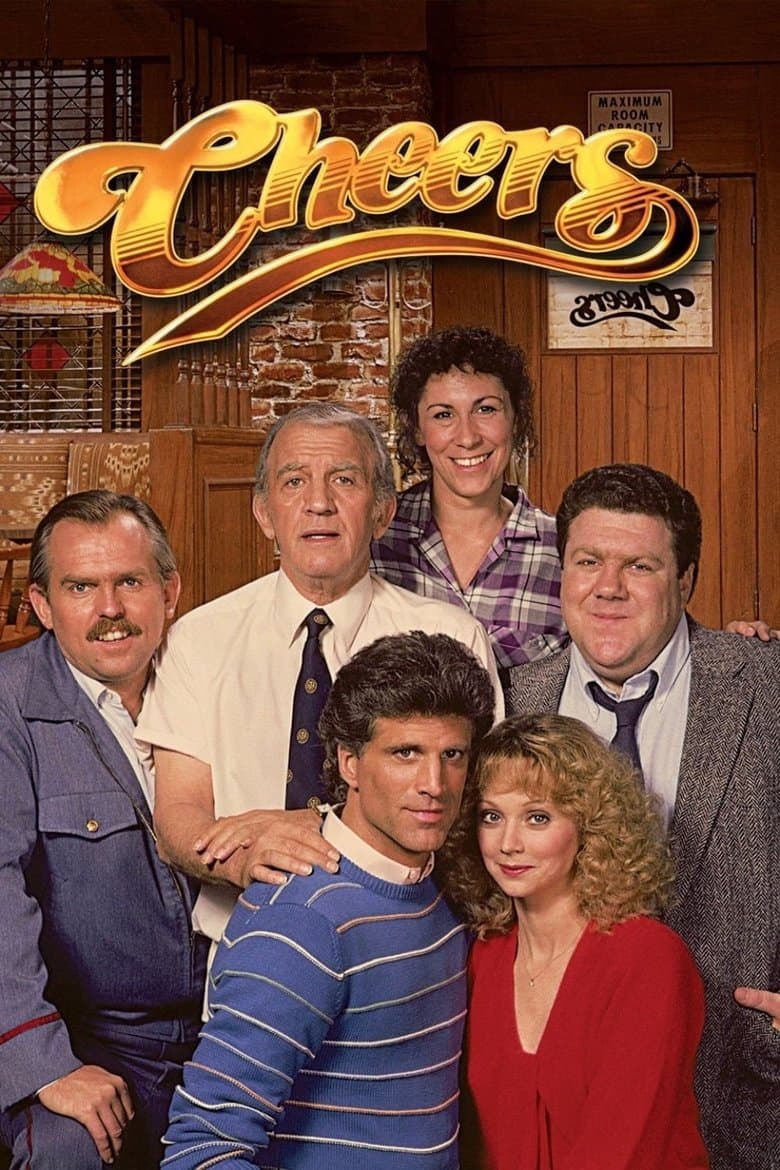
Cheers nearly dies in its first season, finishing near the bottom of the ratings, and NBC keeps it anyway. The payoff is the most durable ensemble comedy American television has produced, and the critical consensus has not moved since: this is where the modern workplace sitcom learns its manners. James Burrows directs almost the entire run, and the discipline shows in how much the show wrings out of a single set.
Ted Danson plays Sam Malone as a charming man with nothing behind the charm, a far riskier choice than the star part it resembles, and the writers keep finding fresh ways to punish him for it. Shelley Long supplies the friction of the Diane years, Kirstie Alley gives the later ones a different and funnier kind of failure, and Rhea Perlman, George Wendt, John Ratzenberger and Woody Harrelson make a room full of losers feel worth visiting.
Dialogue is why it holds up. Lines are written to be interrupted, and the cast talks over each other with a timing later shows imitate and rarely match. The reservations are structural. The romantic engine strains by the fifth season, late stretches lean on stunt guests, and the multi camera staging is flat by design, fixed angles that never once reach for a picture. That axis sits well under the overall on purpose. This is a writing and performance achievement, not a visual one.
Cheers at a glance
- Network
- NBC
- Showrunner
- Glen Charles, Les Charles and James Burrows
- Year
- 1982
What’s your grade?
Grade by category
No account needed. Sign in so your grades follow you and count once. · how vote integrity works
Comments
Plain text, 500 characters. Be sharp, not cruel.
No comments yet. Have the first take.