
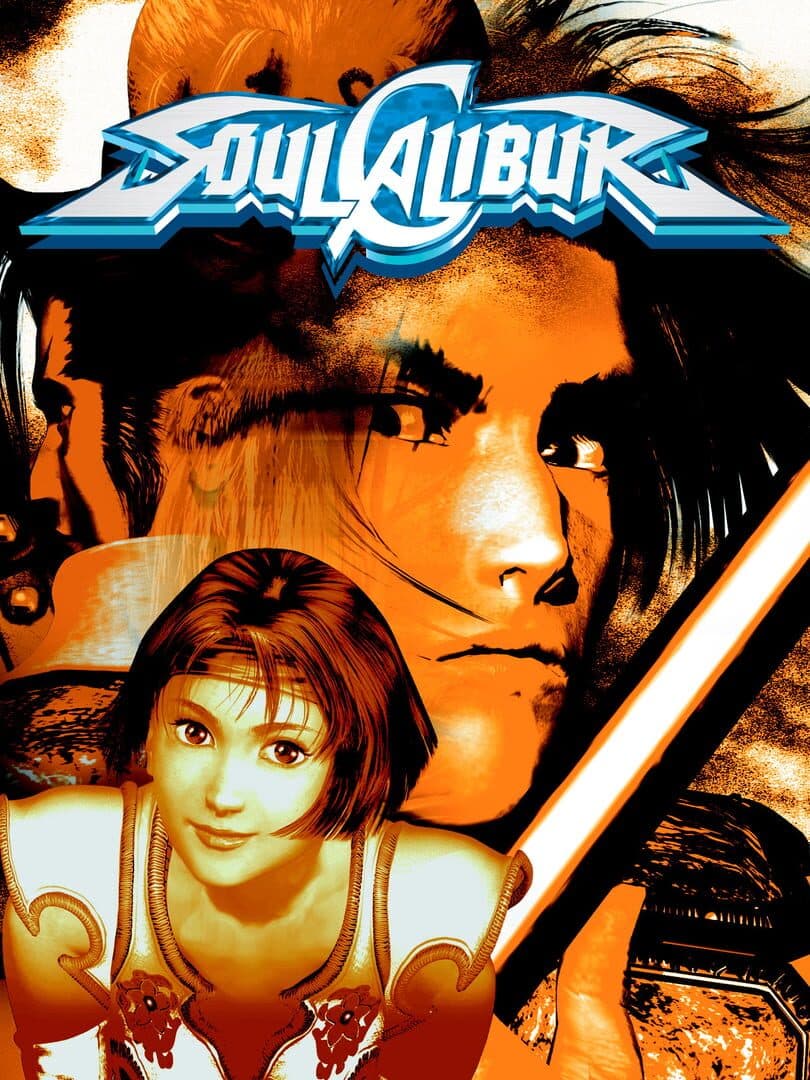
Soulcalibur Review
1998NamcoGame
The rare port that surpassed its arcade parent and launched a console looking flawless.
| Category | Critic | Users |
|---|---|---|
| Difficulty to make | Great | |
| Visuals | Exceptional | |
| Story | Average | |
| Gameplay | Exceptional | |
| Overall | Good |
Soulcalibur's Dreamcast version did something ports never do: it beat the arcade original, rebuilding every character model with more polygons and running silk-smooth, an announcement that console hardware had caught the future. The fighting underneath deserved the showcase. Eight-way run made free movement the foundation rather than a dodge gimmick, and the weapon-based roster gives every matchup a geometry lesson, Ivy's whip-sword controlling absurd range, Taki crowding in close, Nightmare swinging fear itself.
The guard-impact parry system rewards reads over memorization, keeping matches legible to newcomers while feeding a deep tournament game. Namco surrounded it with a mission mode that pays out art and weapons, making the home release feel like a feast rather than a conversion. The plot is the usual cursed-sword pageantry, which is all the story grade reflects, but as pure craft, animation, balance, presentation, and feel, it stands with the best fighting games ever shipped.
Soulcalibur at a glance
- Platforms
- Arcade, Dreamcast
- Developer
- Namco
- Year
- 1998
What’s your grade?
Grade by category
No account needed. Sign in so your grades follow you and count once. · how vote integrity works
Comments
Plain text, 500 characters. Be sharp, not cruel.
No comments yet. Have the first take.