
Shin Megami Tensei III: Nocturne Review
2003AtlusGame
Atlus turns Tokyo inside out and makes you pick which flavour of apocalypse deserves to inherit it.
| Category | Critic | Users |
|---|---|---|
| Difficulty to make | Good | |
| Visuals | Great | |
| Story | Great | |
| Gameplay | Great | |
| Overall | Good |
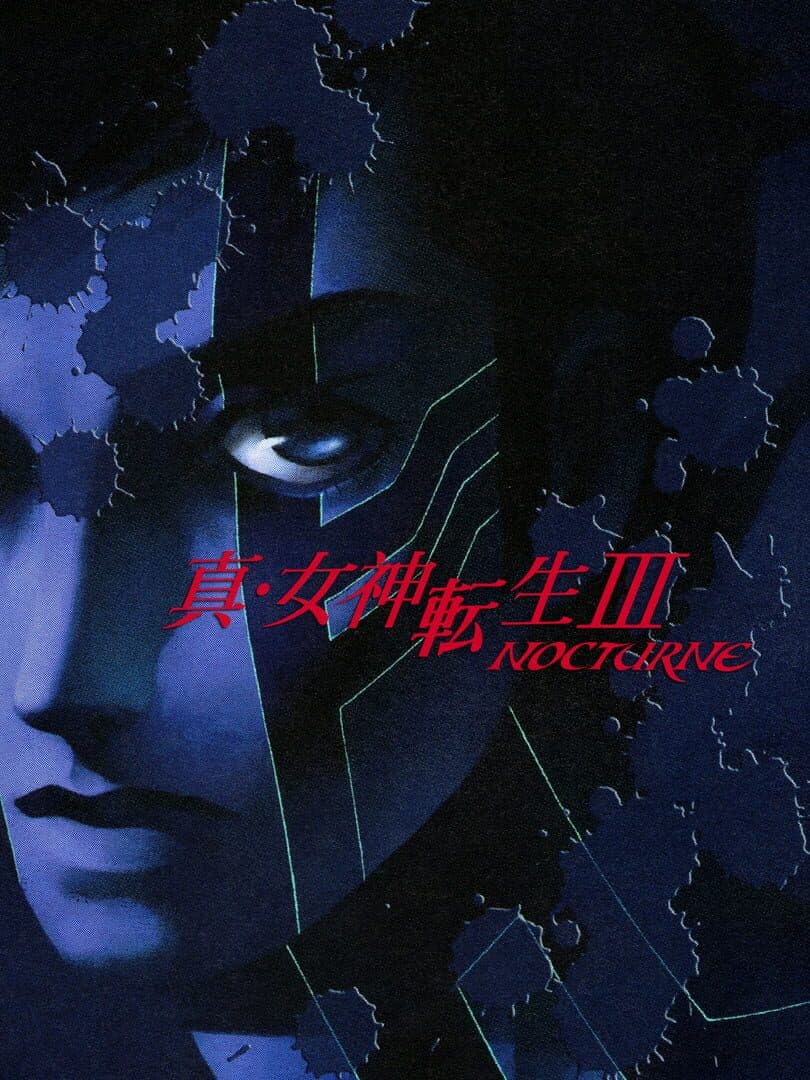
Nocturne is where the Press Turn system arrives fully formed, and every Atlus game since runs on some version of it. Hit a weakness or land a critical and you gain half a turn; whiff an attack or strike a resistance and you lose turns fast, which means the rule that lets you shred a boss also lets a random encounter delete your party in a single round.
It is the most honest difficulty curve in the genre because the enemies use exactly what you use, with no hidden allowances. Kazuma Kaneko's demon designs and the flat, depopulated Tokyo give it an art direction nothing else on the PlayStation 2 approached, all hard black outlines and empty concrete under a permanent sick sky, and the near total absence of dialogue is deliberate: your protagonist never speaks, the survivors state their Reasons and then stop explaining themselves.
Where it sags is structure. The Amala Labyrinth is five floors of near identical corridors, the fusion system quietly punishes anyone not reading a wiki, and Matador has been a wall for twenty years. Hold it as a cult record rather than a broad recommendation: austere, uncompromising, and full of ideas the studio spent two decades softening into Persona.
Shin Megami Tensei III: Nocturne at a glance
- Platforms
- PS2, PC, PS4, Switch
- Developer
- Atlus
- Hours played
- 62
- Year
- 2003
What’s your grade?
Grade by category
No account needed. Sign in so your grades follow you and count once. · how vote integrity works
Comments
Plain text, 500 characters. Be sharp, not cruel.
No comments yet. Have the first take.