Porsche 911 Carrera 3.2 Review
1984911 Carrera 3.2Car
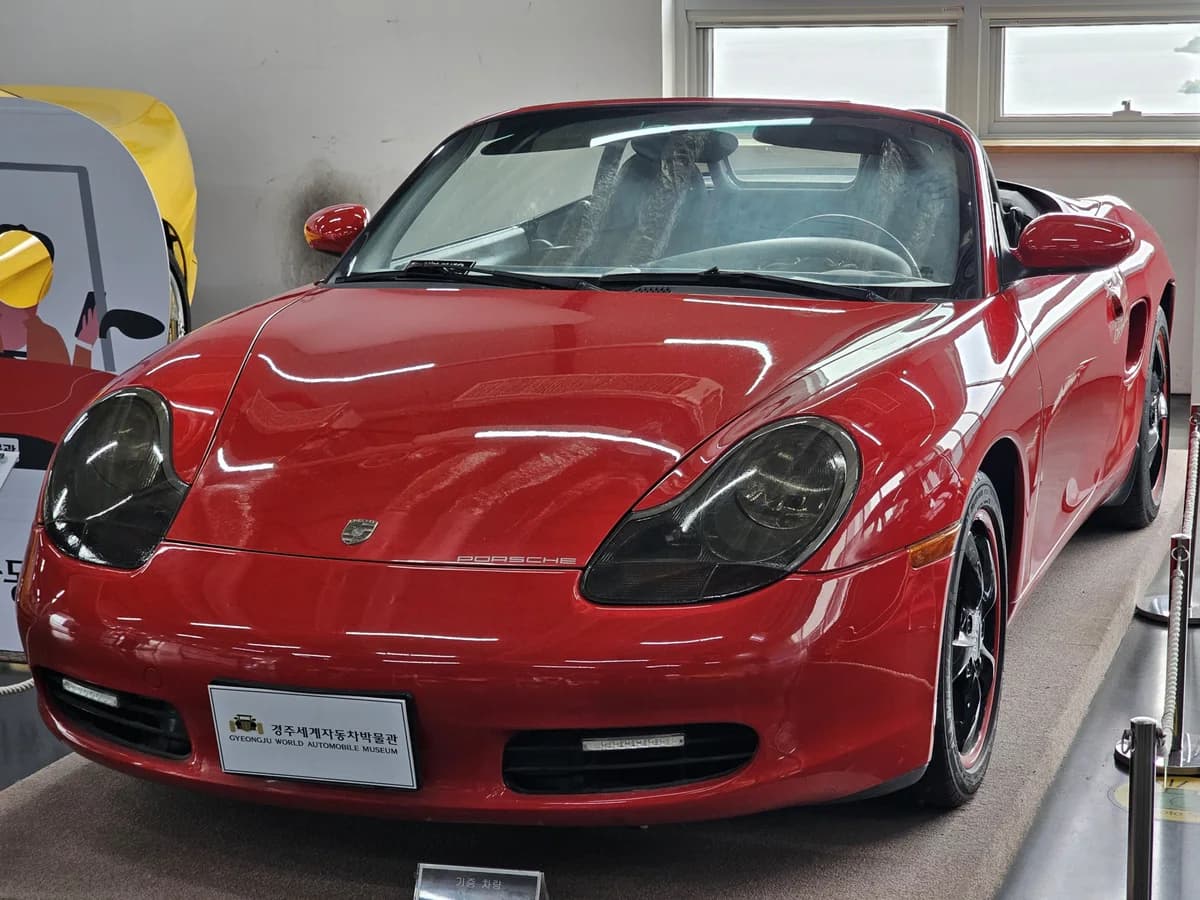
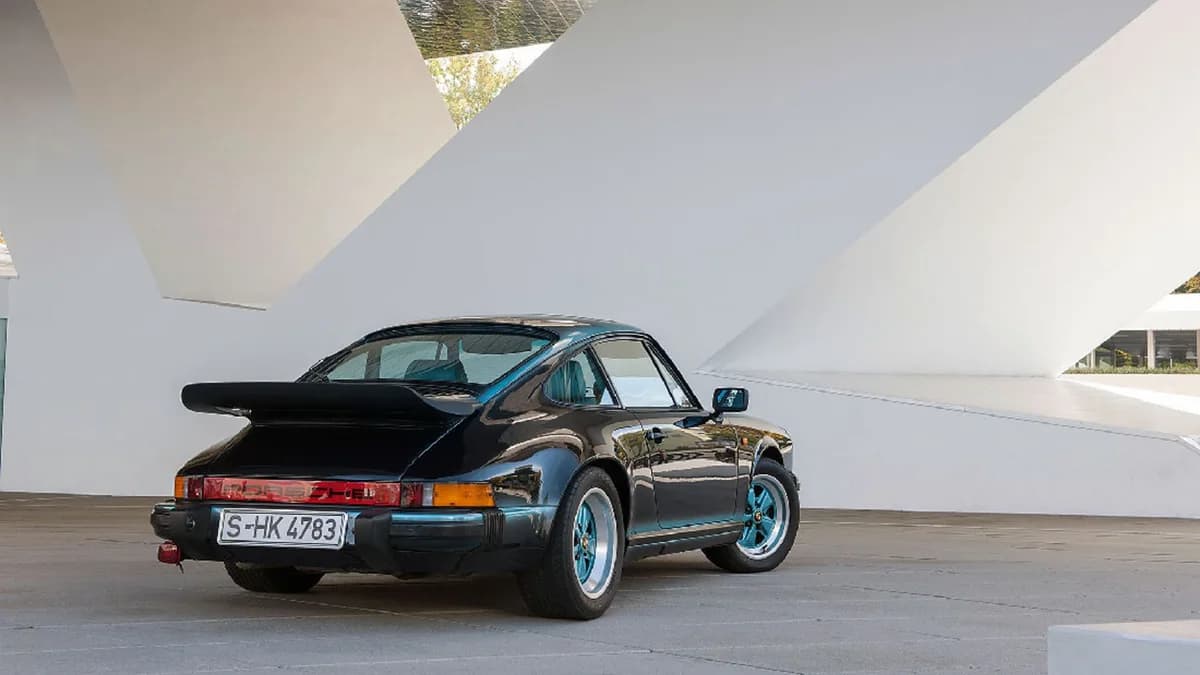
The final form of the original 911 is the classic that works as a car: torquey, durable and honest, dated inside, and best with the later G50 gearbox.
| Category | Critic | Users |
|---|---|---|
| Exterior | Great | |
| Interior luxury | Average | |
| Features | Average | |
| Reliability | Great | |
| Economy | Average | |
| Depreciation | Exceptional | |
| Maintenance cost | Average | |
| Innovation | Average | |
| Engine | Good | |
| User experience | Great | |
| Overall | Great |
Porsche had planned by 1979 for the front-engined 928 to replace the 911, and Peter Schutz, chief executive from 1981, reversed that. He later recalled seeing a development chart in engineering chief Helmuth Bott's office on which the 911 program stopped at the end of 1981, and extending its bar off the edge of the chart with a marker pen. The Carrera 3.2 was the result: launched in 1983 as a 1984 model, it replaced the 911 SC and revived the Carrera name for the first time since 1977. In the United States the coupe listed at $31,950, the Targa at $33,450 and the Cabriolet at $36,450.
The engine paired the SC's 95 mm bore with the 74.4 mm stroke of the Turbo 3.3's crankshaft for 3,164 cc, and Bosch Motronic digital engine electronics, new to the 911, ran fuel and ignition and cut the fuel on the overrun. It made 231 PS at 5,900 rpm in most markets and 207 PS in American trim with a catalytic converter, raised to 217 PS for US cars from October 1986. Car and Driver timed a US car at 5.3 seconds to 60 mph, and Autocar measured 150 mph.
The first three model years kept the 915 five-speed, notchy and slow by later standards; for 1987 Porsche fitted the Getrag G50, with Borg-Warner synchromesh and a hydraulic clutch, and those later cars are easier to drive and more sought after. The torque is spread wide enough that the car feels quick without being worked hard, while the unassisted steering and the semi-trailing-arm rear still punish a lift of the throttle mid-corner.
Few air-cooled 911s are easier to own. Every 911 body had been fully galvanized since 1976, the oil-fed chain tensioners standard from 1984 removed a known weakness of earlier engines, and buyer's guides rank the 3.2 with the SC as the most usable and reliable of the G-series cars. The known faults are minor, the fuel relay mounted on the Motronic control unit above all, though a high-mileage engine will eventually want a top-end rebuild.
The cabin is the weak point: five round dials in a layout that goes back to 1964, offset pedals, and ventilation that only improved when a revised dashboard with larger vents arrived for 1986. Values have gone well past the list price. RM Sotheby's sold a 1985 coupe showing 112,262 km for €94,300 in Paris in 2025, and Clubsport, Speedster and Turbo-look cars cost more.
The 3.2 is not the fastest, rarest or purest classic 911, and beside an RS 2.7 or a 930 it is the sensible choice. That is its case. It has the power and torque to keep up with modern traffic, a body that resists rust, an engine that tolerates regular use and, in G50 form, a gearbox that needs no excuses. Porsche built 76,473 of them in six model years against 58,914 SCs in six, the plainest evidence that Schutz was right to keep the 911 alive.
Porsche 911 Carrera 3.2 at a glance
Official site- Make
- Porsche
- Model
- 911 Carrera 3.2
- Model year
- 1984
- Body type
- Coupe
- Powertrain
- Naturally aspirated 3.2L flat-six, 5-speed manual, rear-wheel drive
- Price
- 31950
What’s your grade?
Grade by category
No account needed. Sign in so your grades follow you and count once. · how vote integrity works
Comments
Plain text, 500 characters. Be sharp, not cruel.
No comments yet. Have the first take.