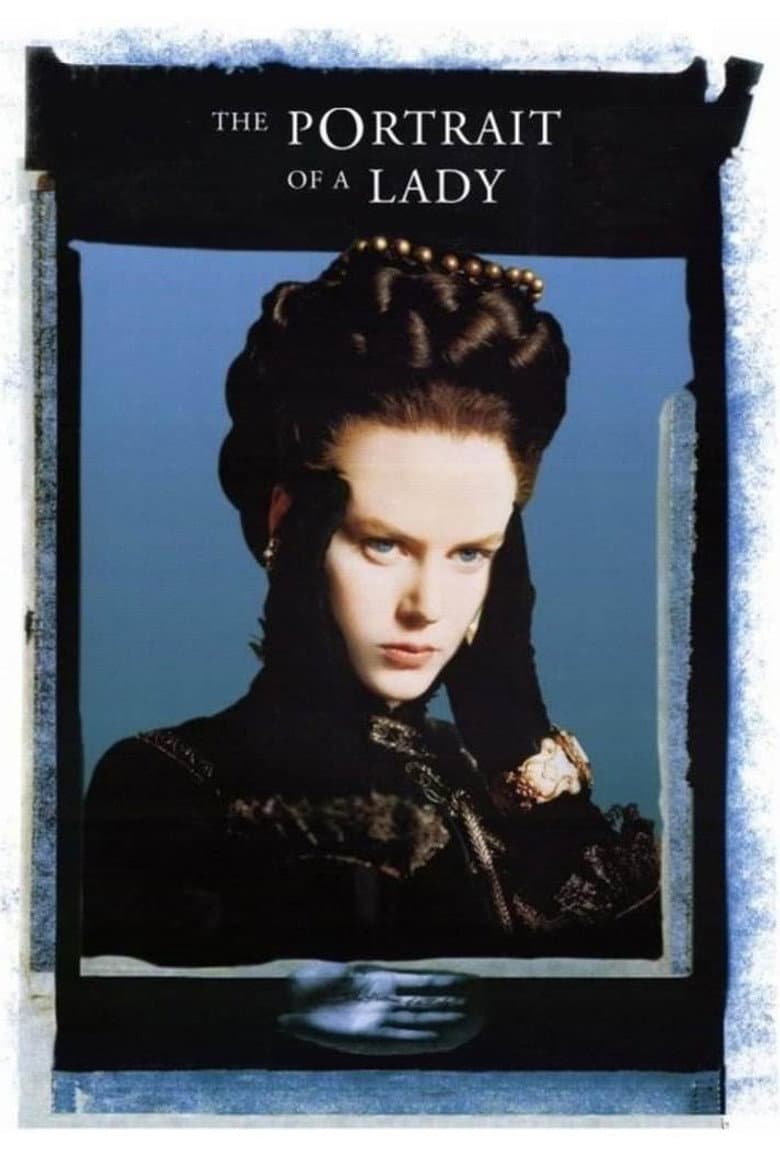
The Portrait of a Lady Review
1996Jane CampionMovie
Campion builds a gorgeous airless trap around Isabel Archer, then casts an actress who plays the cage better than the freedom.
| Category | Critic | Users |
|---|---|---|
| Plot | Good | |
| Cinematography | Great | |
| Acting | Great | |
| Dialogue | Good | |
| Overall | Good |
Jane Campion opens with a black and white prologue of contemporary young women talking about desire, and the gesture never connects to the corseted misery that follows. What does connect is the physical intelligence of the filmmaking. Stuart Dryburgh shoots Osmond's Roman rooms as a set of traps, doorways framing Isabel from behind, light arriving late and grudgingly, while Janet Patterson's costumes tighten as the marriage closes.
John Malkovich plays Gilbert Osmond with a dry, almost bored cruelty far more frightening than theatrical villainy would be, and Barbara Hershey's Madame Merle is the performance the whole thing rests on, a woman whose composure fails by one degree at a time. Nicole Kidman gets the refusals right and the curiosity wrong, so Isabel's early freedom reads as hesitancy instead of appetite, which quietly damages the tragedy.
The surreal interludes, the silent travelogue of her tour and the plateful of beans that split into little mouths to repeat Osmond's declaration of love, are odd enough to hold you and too isolated to pay off. Christian Bale's Rosier is a small bright thing in a very cold room. At one hundred and forty four minutes the airlessness becomes the subject, a risk that works about half the time and tests patience the rest.
The Portrait of a Lady at a glance
- Director
- Jane Campion
- Runtime
- 144 min
- Rating
- PG-13
- Release year
- 1996
What’s your grade?
Grade by category
No account needed. Sign in so your grades follow you and count once. · how vote integrity works
Comments
Plain text, 500 characters. Be sharp, not cruel.
No comments yet. Have the first take.