Gone with the Wind Review
1939Victor FlemingMovie
Hollywood's grandest spectacle, carried by Vivien Leigh, and a Lost Cause fantasy about slavery that no amount of Technicolor can wash out.
| Category | Critic | Users |
|---|---|---|
| Plot | Good | |
| Cinematography | Exceptional | |
| Acting | Great | |
| Dialogue | Good | |
| Overall | Good |
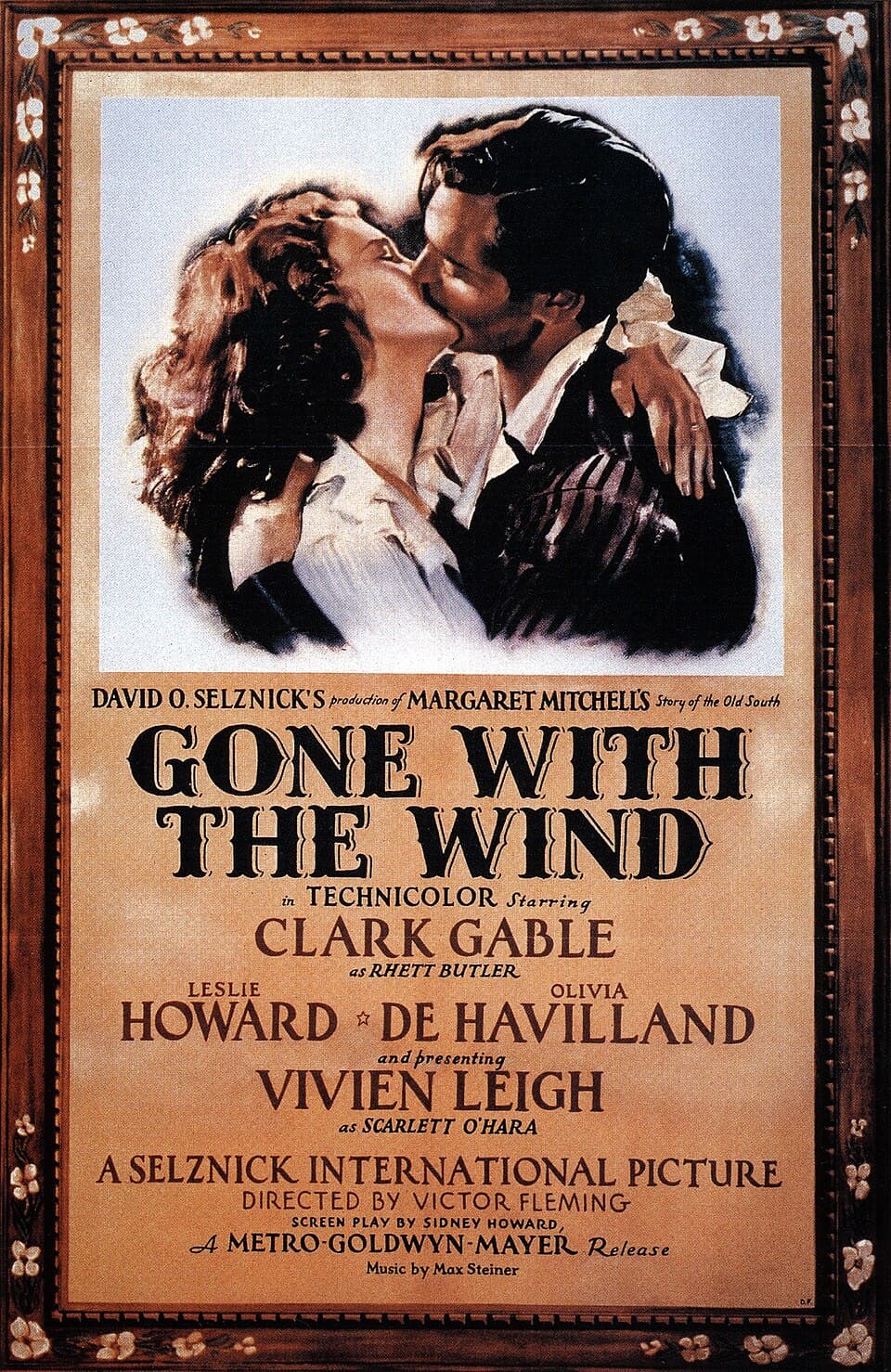
Selznick interviewed 1,400 unknowns for Scarlett and fired George Cukor within three weeks of shooting, yet it feels made by one sensibility, his own. The first half has real sweep: the crane shot rising over hundreds of wounded men at the Atlanta depot, the burning of the city, the silhouette at Tara against an orange sky. The color design, which won William Cameron Menzies an honorary Oscar, is the peak of studio pictorialism.
Vivien Leigh holds it together for nearly four hours with overture and intermission. Her Scarlett is vain, ruthless, funny and brave, and she carries a second half of marriages and domestic quarrels that critics disliked in 1939 and still do. Clark Gable is the Rhett readers imagined; Leslie Howard's Ashley is a blank. Hattie McDaniel, the first Black performer to win an Oscar, was seated at a segregated table at the ceremony.
Then there is what it believes. The opening titles mourn a lost land of cavaliers and cotton fields, the enslaved characters are contented or comic, and Reconstruction is a menace. Black critics said so at the time, and by 2012 it had fallen to 235th in the Sight and Sound critics' poll, though adjusted for inflation it is still the biggest hit ever. The craft is extraordinary. The worldview is not a footnote.
Gone with the Wind at a glance
- Director
- Victor Fleming
- Runtime
- 221 min
- Release year
- 1939
What’s your grade?
Grade by category
No account needed. Sign in so your grades follow you and count once. · how vote integrity works
Comments
Plain text, 500 characters. Be sharp, not cruel.
No comments yet. Have the first take.