
City Lights Review
1931Charlie ChaplinMovie
Chaplin's defiantly silent romance spends every gag earning its final close-up, the finest thing he ever put on film.
| Category | Critic | Users |
|---|---|---|
| Plot | Great | |
| Cinematography | Good | |
| Acting | Exceptional | |
| Dialogue | Great | |
| Overall | Exceptional |
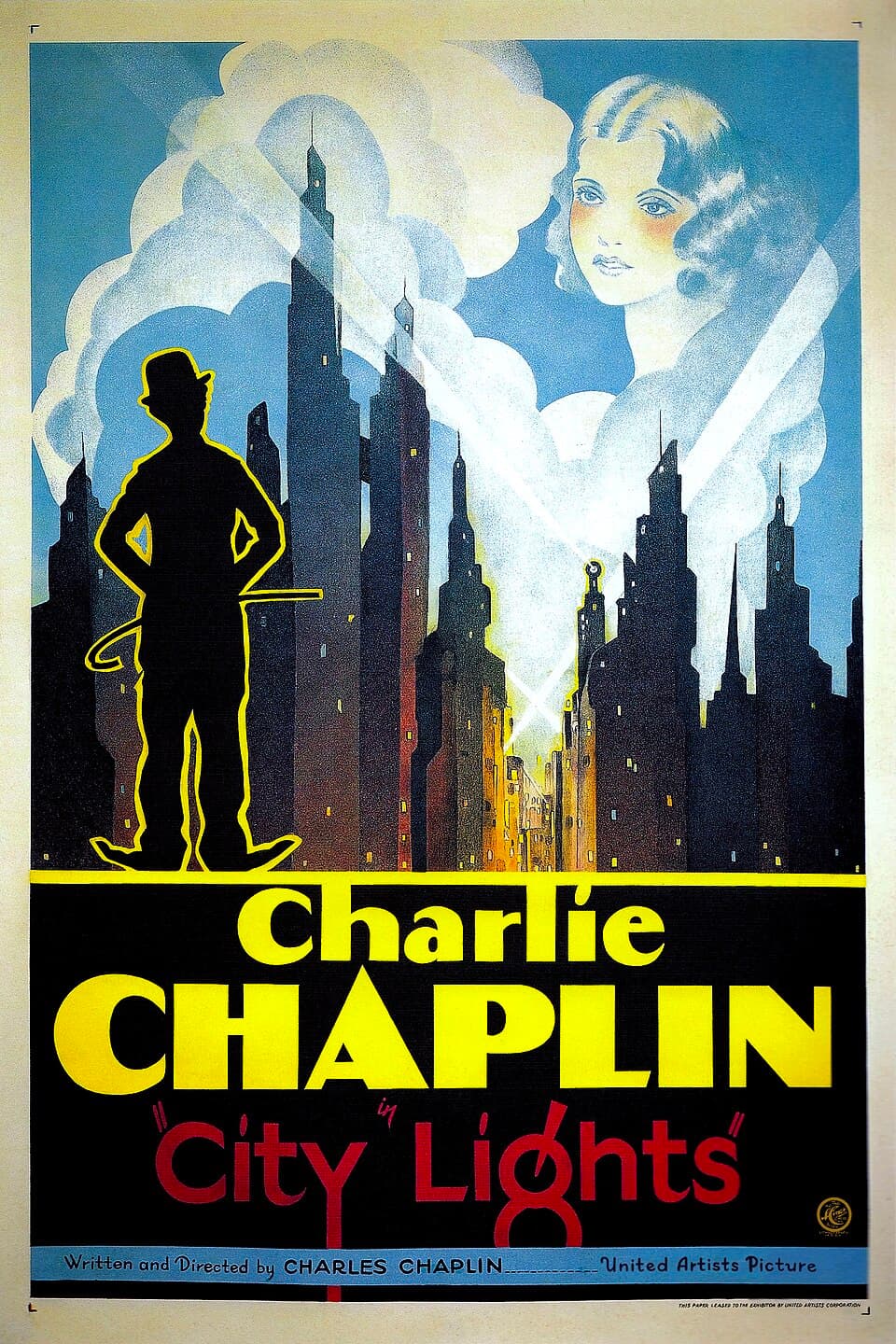
Talkies had been playing for more than three years when Chaplin released City Lights with his own score, sound effects and not one spoken word. He opens with a jab at them: dignitaries unveiling a monument speak in kazoo squawks, and the sheet comes off to reveal the Tramp asleep in the statue's lap. On a miserable shoot he fired Virginia Cherrill as the flower seller, hired her back because he had shot too much to replace her, and exposed more than 300,000 feet of film for 87 minutes.
None of the strain shows. The boxing match against Hank Mann is choreographed like a ballet, Chaplin keeping the referee between himself and his opponent, and the millionaire who adores the Tramp drunk and throws him out sober is the sharpest thing he wrote about class. The camera simply records. The title cards are few and exact, and the last ones carry more weight than most talkie scripts.
The final scene at a flower shop window, played in close-ups, is why the film sits where it does; James Agee called it the greatest single piece of acting ever committed to celluloid. Sight and Sound's first critics' poll, in 1952, placed City Lights second only to Bicycle Thieves. It was Orson Welles's favorite film, and Chaplin's own.
City Lights at a glance
- Director
- Charlie Chaplin
- Runtime
- 87 min
- Release year
- 1931
What’s your grade?
Grade by category
No account needed. Sign in so your grades follow you and count once. · how vote integrity works
Comments
Plain text, 500 characters. Be sharp, not cruel.
No comments yet. Have the first take.