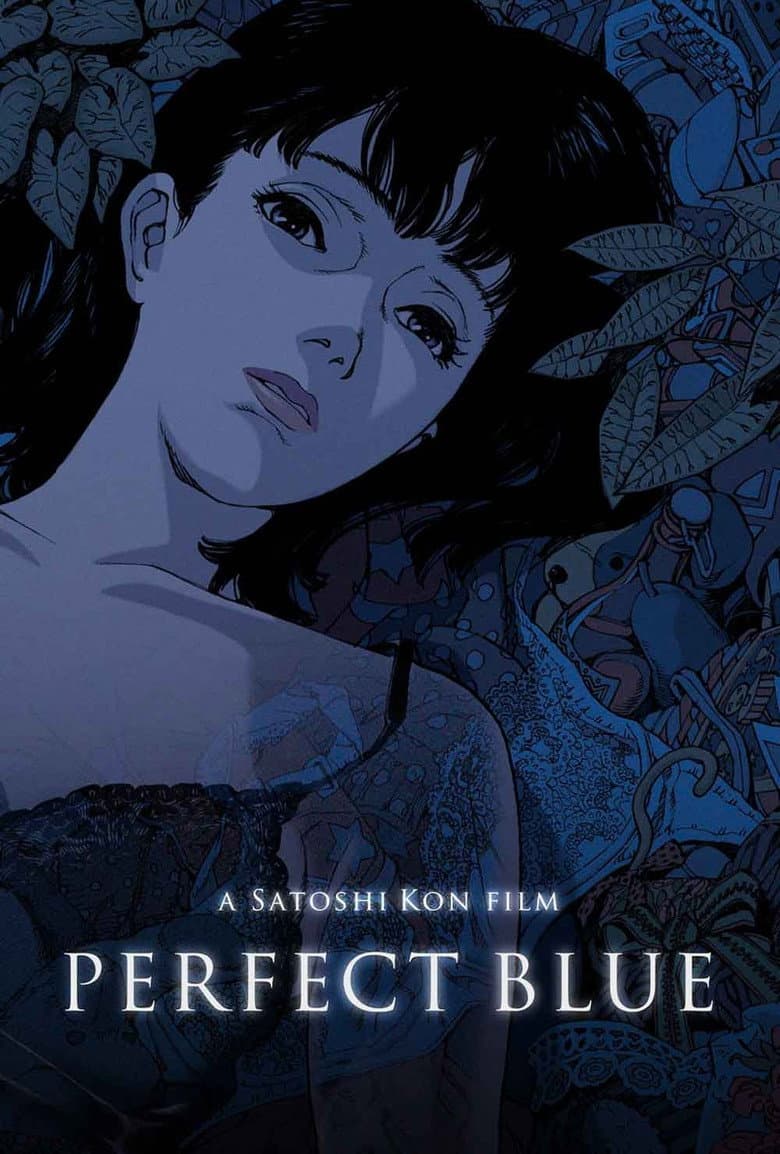
Perfect Blue Review
1997Anime
Satoshi Kon's debut, and already the sharpest film anyone has made about being watched.
| Category | Critic | Users |
|---|---|---|
| Story | Great | |
| Animation | Great | |
| Characters | Great | |
| Overall | Great |
Kon's editing is the whole argument. Cuts land on matched gestures and matched sounds so that a scene from Mima's television drama becomes a scene in her apartment without a seam, and by the second half the film has trained its audience to distrust every transition. The stalker plot is almost incidental. What this is really about is a career decision made by a management team, a nude scene shot for the sake of a rebrand, and a fan base convinced it owns the person it consumed, and it was making that case in the mid nineties before the internet rendered the argument obvious.
Madhouse animates realistically rather than expressively, with plain rooms and unflattering angles, which is exactly what makes the hallucinations work when they arrive. Masahiro Ikumi's score is the weakest element, thin and dated in places. Aronofsky bought the remake rights and reproduced a shot outright, which tells you where the film sits with people who make them. It has aged into something closer to a forecast than a thriller.
Perfect Blue at a glance
- Studio
- Madhouse
- Year
- 1997
- Source
- Novel
- Schema.org type
- Movie
What’s your grade?
Grade by category
No account needed. Sign in so your grades follow you and count once. · how vote integrity works
Comments
Plain text, 500 characters. Be sharp, not cruel.
No comments yet. Have the first take.